Building Healthy Ecosystems in Northeast Ohio
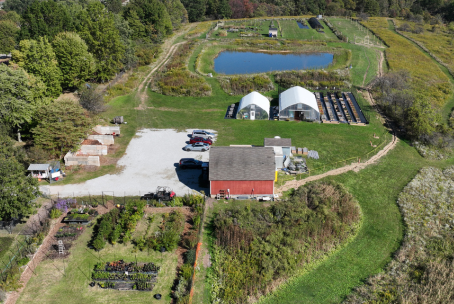
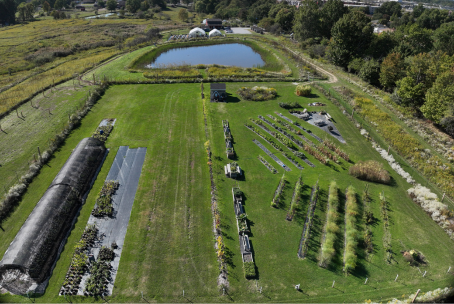
The Creekside Collaborative Partners Native Nursery is where restoration begins. Nestled on 16 acres in the heart of Parma, the nursery provides an environment for growing the native plants that support wildlife, strengthen habitats, and cool our neighborhoods. Every tree and wildflower we nurture is part of a larger effort to restore ecological balance and bring more native biodiversity back into our urban and suburban landscapes.
Our Purpose
The Native Nursery’s purpose is to grow the plants our region relies on — species that evolved here, thrive here, and sustain the birds, insects, and wildlife that call Northeast Ohio home. Native plants are the foundation of resilient ecosystems:
-
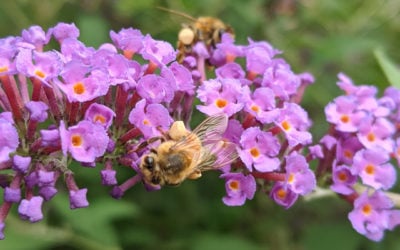
They provide food and shelter for pollinators and migratory species
-
They require fewer resources than non-native ornamentals
-
They help manage stormwater naturally
-
They support stronger, more climate-resilient communities
By cultivating these species, we’re able to support ongoing restoration projects, community plantings, and future conservation efforts throughout the region.
Our Journey
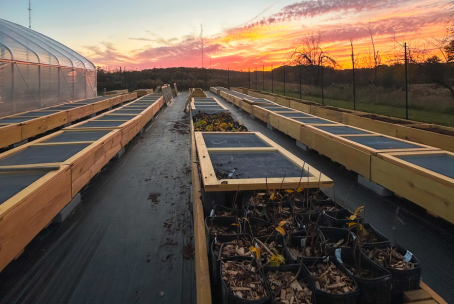
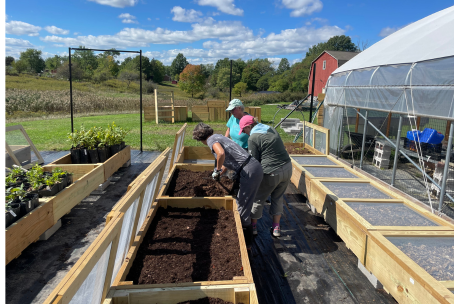
Since 2022, the nursery has grown significantly, with dedicated space designed to protect and nurture young plants:
-
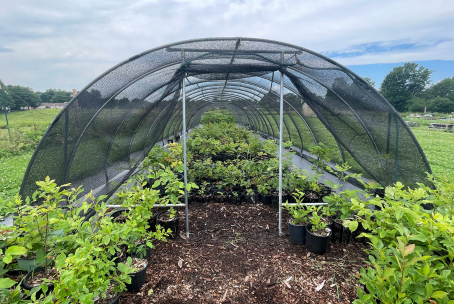
1.5-acre growing enclosure safeguarding saplings from wildlife pressure
-
Large hoop house supporting propagation of native wildflowers and understory species
-
Staging area for sorting, transplanting, and preparing plants for distribution
- 64 air pruning propagation beds that support healthy root systems
Today, more than 800 native trees, including keystone species such as oak, willow, and cherry, are growing on-site, with thousands more wildflowers in development. As they mature, these plants will support everything from urban reforestation efforts to pollinator gardens, schoolyard habitats, and community green spaces.
Connecting People to the Land
The Native Nursery is also a place of learning. Volunteers, students, and community groups visit to experience firsthand how native plants grow and why they matter. Through workshops, hands-on projects, and educational programming, we’re helping residents understand how they can support ecological restoration at home.
As Creekside Collaborative Partners continues to grow, so will the nursery’s capacity to support large-scale restoration and community-driven conservation. With the help of our partners and volunteers, we’re creating a future where native plants—and the ecosystems they support—can thrive for generations to come.
Shrink Your Lawn Resources
Moving away from traditional lawns to native plant landscaping offers multiple advantages. Not only does it enhance a home’s curb appeal and potentially increase its resale value, but it also provides crucial habitat and food for local wildlife, including birds and insect pollinators.
Educational Resources
What is a Pollinator Garden?
Before any landscape program begins, assess the current conditions of your home landscape. This assessment will help you to identify and prioritize future projects and allow you to appreciate all the positive changes you’ve made.

Know Your Grass
Before any landscape program begins, assess the current conditions of your home landscape. This assessment will help you to identify and prioritize future projects and allow you to appreciate all the positive changes you’ve made.

Sustainable Design for Your Yard
Take cues from nature. Even if you choose not to convert your home habitat to a completely naturalized landscape, such as a prairie or woodland, there are ways to design home landscapes that make spaces more environmentally healthy and family friendly.

Understanding Your Soil
Yards are at the forefront of local environmental stewardship. Because residential land use is the most dominant land use in urban communities, we have the power to create a healthy landscape with high functioning ecosystems.

What is a Rain Garden?
Before any landscape program begins, assess the current conditions of your home landscape. This assessment will help you to identify and prioritize future projects and allow you to appreciate all the positive changes you’ve made.

Conduct a Lawn Assessment
Before any landscape program begins, assess the current conditions of your home landscape. This assessment will help you to identify and prioritize future projects and allow you to appreciate all the positive changes you’ve made.
Our Gallery